How It Works
How Online Dyslexia Therapy Works, And The First Assessment
Online dyslexia therapy with Dr Lauren Crumlish (PhD), Certified Practising Speech Pathologist, runs in six steps: an application, a first assessment, a plan, 45 minute sessions by video, short practice between sessions and review. It is for children and teenagers up to 18, anywhere in Australia. Sessions are $193. Every child starts with an assessment. Where reading or spelling is the concern it is $890 or $1,290.
The Six Steps
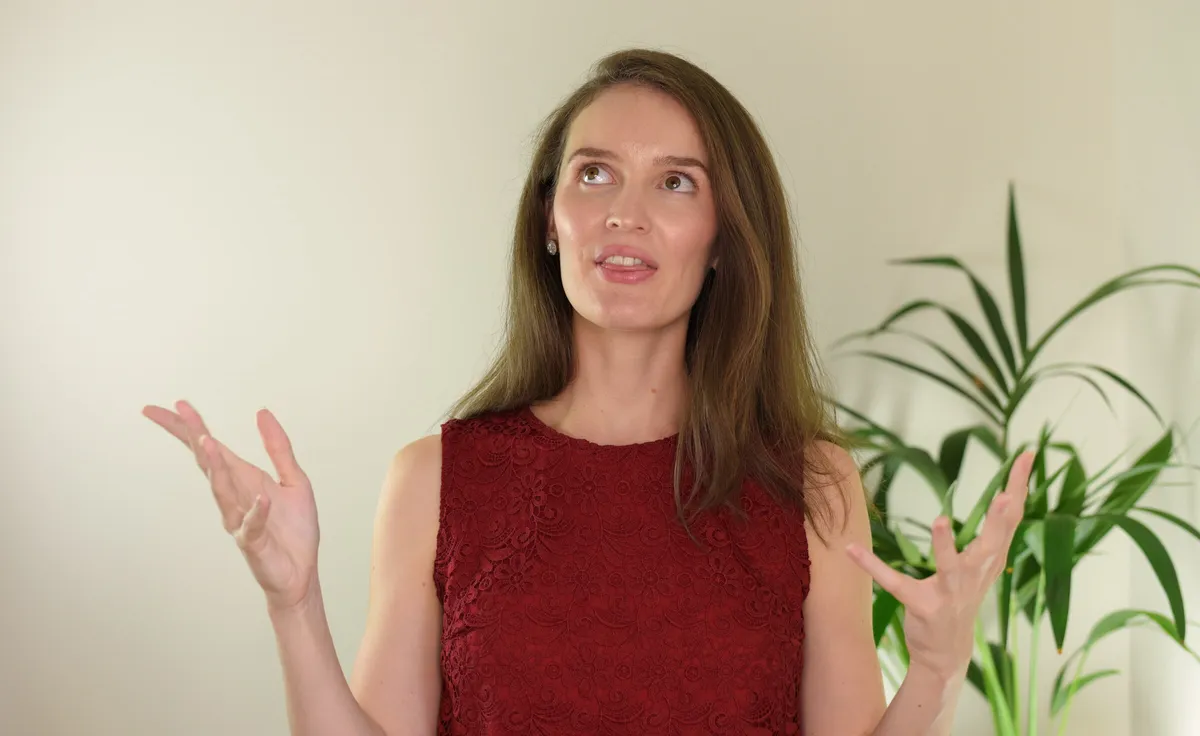
The Six Steps, From Application To Review
Online dyslexia therapy follows the same path for every family. There is one way in, the application form, and every session is by video.
-
Apply
The application form asks for your child's age and what you have noticed. Our team will review your application. Dr Lauren works with a small number of families and has limited availability, so a place cannot be guaranteed and not every application receives an individual reply.
-
The first assessment
Every child starts with an assessment by video. It looks at reading, spelling and the spoken language skills underneath them.
-
The plan
Dr Lauren sets the goals and plans the teaching from what the assessment found. With a teenager she sets the goals together with them.
-
Sessions by video
Dr Lauren runs every session herself: 45 minutes, one to one, typically weekly to fortnightly. A parent takes an active part in every session with a young child; older children and teenagers work with Dr Lauren directly.
-
Short practice between sessions
Dr Lauren sets a short piece of practice on what was taught and shows the family how to do it, step by step.
-
Review
Dr Lauren checks progress against where the first assessment began, decides when to move on and changes the plan when it needs to. No length of therapy is promised.
The First Assessment
Sources read 15 November 2026
What does the first assessment cost?
Every child starts with an assessment. Where reading or spelling is the concern it is $890 or $1,290. The Mid-Length Assessment is $890 and the Long Assessment, a fuller look at both language and literacy, is $1,290. Dr Lauren recommends the level that fits the concern. Therapy sessions are charged separately, at $193 a session. The full table is on fees and funding.
What does the first assessment look at?
The first assessment looks at reading, spelling and the spoken language skills underneath them. A speech pathologist's assessment of written language typically covers:
- reading real words and made-up words, which shows how well letters are turned into sounds
- spelling
- hearing and working with the sounds inside spoken words (phonological awareness)
- reading a passage accurately and understanding it
- spoken language, such as vocabulary and following sentences
The list follows the written language assessment areas set out by the American Speech-Language-Hearing Association . The assessment tells a family which skills are secure, which are not, and where teaching should start.
Is the first assessment a dyslexia diagnosis?
No. The first assessment with Dr Lauren is not a dyslexia diagnosis. A formal diagnosis of dyslexia is usually made by a psychologist; healthdirect says an educational psychologist usually diagnoses dyslexia . Therapy can start without one, because the teaching is planned from what the assessment finds and not from a label.
| Question | Dr Lauren's first assessment | A psychologist's assessment |
|---|---|---|
| Who does it | A Certified Practising Speech Pathologist | A psychologist, often an educational psychologist |
| What it is for | Planning what to teach | A formal diagnosis and a wider learning profile |
| Does it give a formal dyslexia diagnosis | No | Usually, where the criteria are met |
| Is it needed before therapy with Dr Lauren | Yes, for every child | No |
A family may still want a formal diagnosis, because a school can ask for one before it agrees to adjustments in class and in exams. If your child already has a psychologist's report, mention it in your application. Who does what is set out on tutor or speech pathologist, and what a school can ask for is in the guide to dyslexia at school.
Can reading and spelling be assessed by video?
Yes. In an Australian study of 37 children aged 8 to 12 with reading difficulties , scores from literacy assessments given by video agreed strongly with scores from an assessor in the room.
In A Session
What A Session Looks Like On Screen
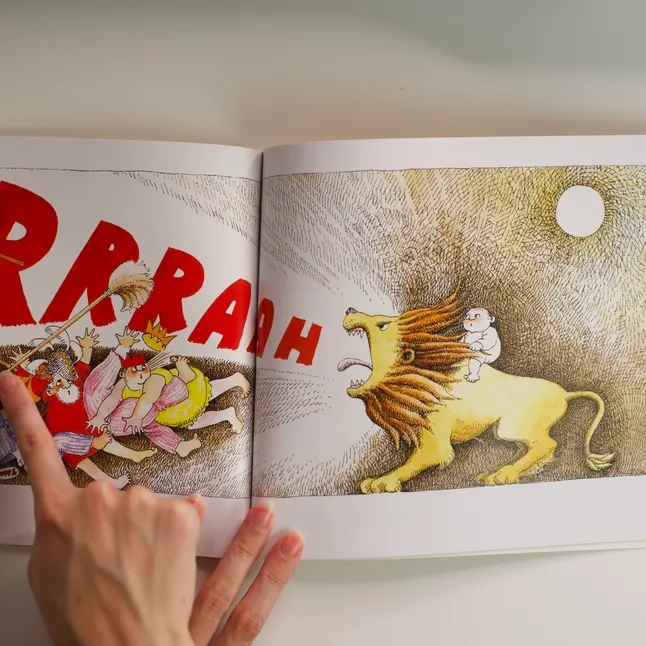
On screen your child sees Dr Lauren and the page she is sharing: letters, words or a passage of text. The two of them look at the same words at the same moment, and Dr Lauren hears every word your child reads.
-
One to one with Dr Lauren, never a group
-
Dr Lauren and the shared page side by side
-
A parent beside a young child; an older child or teenager works with Dr Lauren directly

At Home
What A Family Needs For Online Sessions
Every session with Dr Lauren is by video. There are no in-person sessions and no home visits. A phone will work, but its screen is small for reading, so a computer or tablet is the better choice.
-
A computer or tablet with a camera, microphone and speakers
-
A stable internet connection
-
A quiet place to sit
-
A parent beside a young child for the whole session
Does Online Dyslexia Therapy Work? What Published Research Says
Reading and spelling can be assessed and taught by video, which researchers call telepractice. The published studies are encouraging, and the body of research is still small. These are studies by other researchers. They are not studies of Dr Lauren's sessions, and her own published research is not about dyslexia.
| Study | What was studied | What it found |
|---|---|---|
| Furlong and colleagues, 2021 | A review of nine studies of reading and spelling teaching by video for school students | Teaching by video can be feasible and engaging. The evidence is still limited, and the authors advise caution |
| Kohnen and colleagues, 2020 | 18 Australian children aged 7 to 12 with poor reading or spelling, taught by video | Scores on two of three measures rose more during teaching than in the period before it |
| Verwimp and colleagues, 2024 | 162 Dutch children treated for dyslexia online, compared with 254 treated face to face | Reading and spelling progress was equal once the number of sessions was taken into account |
| Freckmann and colleagues, 2017 | 32 speech pathologists rating their rapport with children, by video and face to face | No significant difference in rapport between the two |
| Campbell and Goldstein, 2021 | A survey of 259 children's speech pathology clinicians using video | Video sessions were widely seen as a workable way to deliver therapy. Poor connections remained a problem for some families |
For what the teaching itself covers, see dyslexia treatment: what works and what does not .
Fees
What Online Dyslexia Therapy Costs
Every child starts with an assessment. Where reading or spelling is the concern it is $890 or $1,290.
Therapy and tutoring
Session
45 minutes of therapy, plus 15 minutes of preparation and notes
$193
The first assessment
-
$890
Mid-Length Assessment
A focused look at reading, spelling and the language underneath
-
$1,290
Long Assessment
A fuller look at both language and literacy
A Medicare rebate may apply with a doctor's referral, for a limited number of sessions a year, if your GP decides your child is eligible. What Medicare, private health and the NDIS cover is on fees and funding . Dyslexia tutoring with Dr Lauren is the same session at the same fee: see dyslexia tutoring . For high school students, see dyslexia therapy for teenagers . Who you would be working with: Dr Lauren Crumlish .
How It Works
Questions About How Online Dyslexia Therapy Works
Do you need a dyslexia diagnosis to start therapy?
No. Therapy with Dr Lauren starts with her own assessment of reading, spelling and spoken language, and the teaching is planned from that. A formal dyslexia diagnosis is usually made by a psychologist, and a family can seek one before, during or after therapy.
Does online tutoring work for dyslexia?
Published studies of reading and spelling teaching by video are encouraging, though the research is still small. In a Dutch study of 416 children, those treated for dyslexia online made the same reading and spelling progress as those treated face to face, once the number of sessions was taken into account. Dyslexia tutoring with Dr Lauren is the same service as her therapy.
How long does dyslexia therapy take?
There is no set length and none is promised. Dyslexia is lifelong, and reading and spelling improve with explicit teaching at different rates for different children. Progress is checked against the first assessment as the work goes on.
How often are dyslexia therapy sessions?
Sessions are 45 minutes, typically weekly to fortnightly, with practice at home between sessions.
Does a parent need to be in the session?
With a young child, yes: a parent takes an active part in every session. Older children and teenagers work with Dr Lauren directly, and with a teenager, how much a parent takes part is something to agree at the start.
Is the first assessment done online as well?
Yes. Every part of the work with Dr Lauren is by video, including the first assessment. An Australian study of 37 children found that literacy assessment by video agreed strongly with assessment in person.
What happens after I apply?
Our team will review your application. Dr Lauren works with a small number of families and has limited availability, so a place cannot be guaranteed and not every application receives an individual reply.







Work With Dr Lauren
Apply Now
Dr Lauren works with a small number of families and has limited availability. Tell us about your child and our team will review your application.
Apply Now- Online Across Australia
- Reading And Spelling
- Children And Teenagers
- PhD Speech Pathologist